Balancing Game Variety and Withdrawal Efficiency in Mobile Platforms Offering Live Dealer Experiences Beyond Traditional Licensing
Skriven av Elena Simmons · 2026-11-01
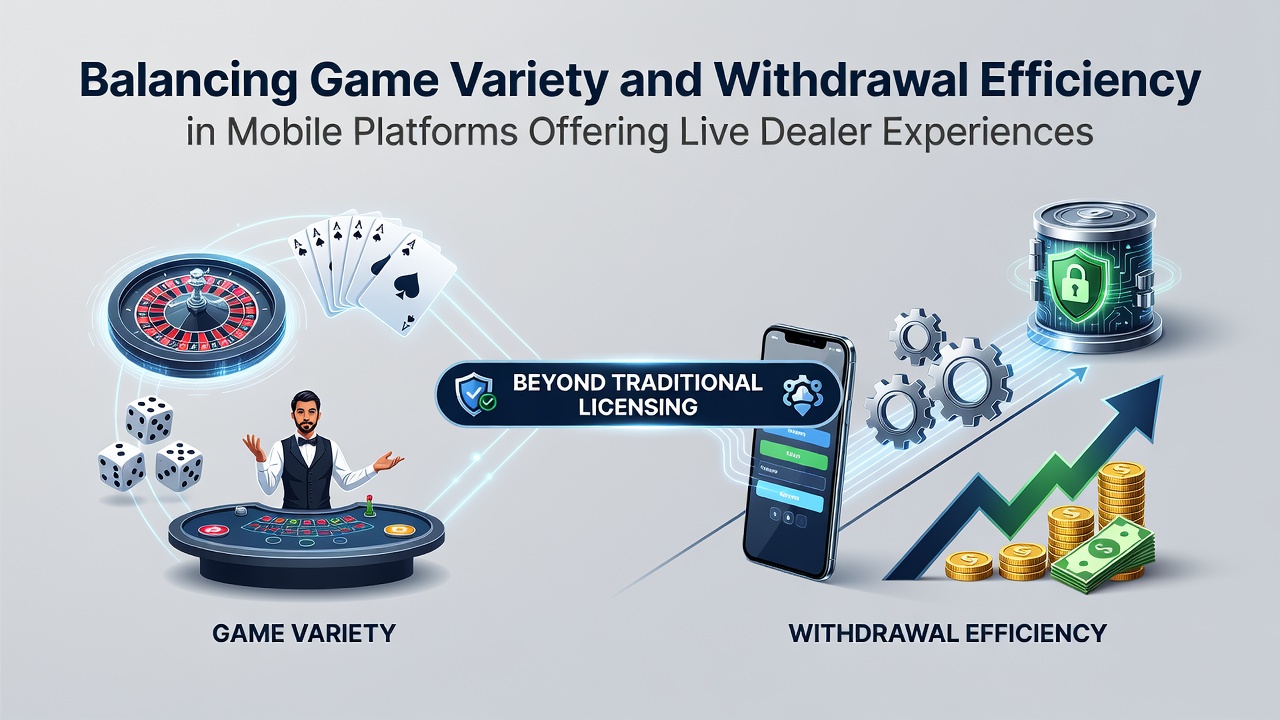
Balancing Game Variety and Withdrawal Efficiency in Mobile Platforms Offering Live Dealer Experiences Beyond Traditional Licensing
Platforms operating outside traditional licensing frameworks have expanded their mobile offerings to include extensive live dealer selections that encompass blackjack variants, roulette formats, and baccarat tables streamed in real time, while they simultaneously address the technical demands of processing withdrawals across diverse payment rails. Data from industry tracking services indicates that user sessions on these applications often extend longer when multiple dealer options remain available without interruption, yet payout completion rates vary based on the chosen method and verification protocols in place. Observers note that November 2026 brought renewed focus on mobile optimization after several providers reported increased traffic from regions where local regulations leave gaps in coverage.
Game Variety Trends Across Unregulated Mobile Environments
Live dealer experiences on these platforms typically feature high-definition streams that support multiple camera angles alongside chat functions, and operators expand catalogs to include niche titles such as live sic bo or dragon tiger to retain engagement. Researchers at academic institutions have documented how mobile interfaces allow seamless switching between tables, which keeps session lengths elevated without requiring additional downloads or app updates. Those who monitor traffic patterns find that variety correlates with higher retention metrics, although backend systems must handle concurrent streams efficiently to prevent latency issues that could affect user satisfaction.
Withdrawal Processing Mechanisms in Mobile Settings
Payment options range from cryptocurrency wallets to e-wallets and bank transfers, with processing times influenced by the provider's internal risk assessment layers and the volume of concurrent requests during peak hours. Figures from regulatory bodies in select jurisdictions reveal that platforms prioritize automated verification steps to accelerate approvals, yet manual reviews remain necessary for larger amounts or first-time withdrawals. People who track transaction data across these services observe that efficiency improves when users maintain verified profiles, reducing delays that otherwise arise from document submissions completed mid-session.
Technical Integration of Live Features with Payout Systems
Mobile applications combine real-time gaming feeds with backend accounting modules that update balances instantly after each round, allowing players to request withdrawals without exiting the live environment. According to reports issued by the Alcohol and Gaming Commission of Ontario, integration challenges emerge when high-volume game selections strain server resources, yet solutions involving cloud-based scaling have mitigated some bottlenecks observed in earlier deployments. What's interesting is how providers allocate resources between expanding dealer rosters and refining payout queues, since both elements compete for the same development priorities in resource-constrained operations.

Regional Patterns in Platform Operations
Markets without centralized licensing see platforms adapt to local preferences by adding region-specific live games while maintaining standardized withdrawal pathways that comply with international banking standards. Studies conducted through university research programs indicate that November 2026 saw measurable upticks in mobile live dealer adoption in areas where traditional venues faced capacity restrictions, prompting operators to refine their dual focus on content breadth and transaction speed. Those who've examined operational logs note that successful platforms employ modular architectures, enabling quick addition of new dealer tables without disrupting existing payout workflows.
Case Examples from Active Providers
One operator expanded its live baccarat offerings by integrating additional Asian-language tables, which coincided with the introduction of instant crypto withdrawal options that reduced average processing from hours to minutes. Another service adjusted its mobile app to display real-time payout estimates based on current game activity levels, helping users anticipate timelines before they initiate requests. Data compiled by the Australian Gambling Research Centre shows these adjustments align with broader patterns where content expansion occurs alongside infrastructure investments in transaction processing.
Future Considerations for Platform Development
Developments in 5G networks and improved device hardware support more simultaneous live streams per session, which encourages providers to diversify offerings further while they test enhanced security layers that speed up verification without compromising accuracy. Observers tracking these shifts report that balancing acts continue to evolve as user expectations rise for both immersive dealer interactions and reliable fund access on the same device. External analyses from sources such as the Alcohol and Gaming Commission of Ontario highlight ongoing adaptations in mobile ecosystems that operate outside standard regulatory perimeters.
Conclusion
Platforms delivering live dealer content beyond conventional licensing structures continue to refine their approaches to game selection and transaction handling, with mobile technology serving as the primary interface for both activities. Evidence from multiple monitoring efforts suggests that coordinated backend systems allow variety and efficiency to coexist, even as external factors like network conditions and regional access patterns introduce variables. Those monitoring developments through November 2026 and beyond will likely see further refinements in how these elements align across different user bases and device types.